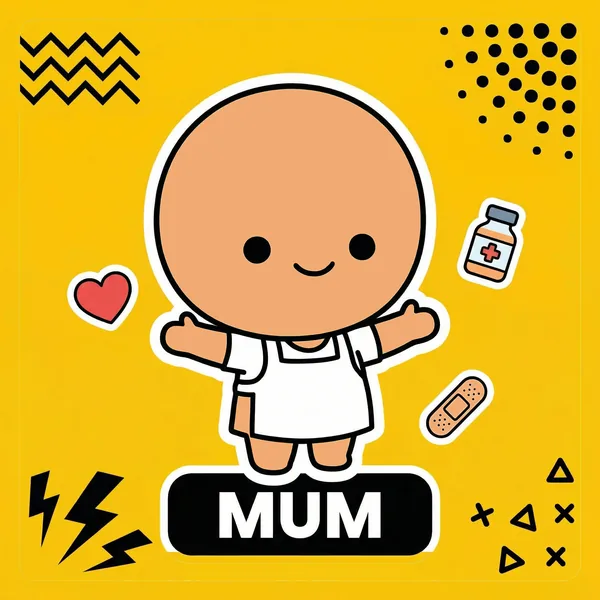
The Mom Friend (MUM) SBTI Personality Type: The Unsung Healer
The MUM personality type embodies unparalleled emotional intuition and a profound drive to nurture, often at the cost of their own well-being, making them the silent anchors in any social circle.
What Is the Mom Friend (MUM) Personality Type?
The Mom Friend, or MUM, is the quintessential nurturer, the emotional anchor within their social circles. They possess an innate ability to perceive and understand the emotions of others, often before a single word is spoken. This profound capacity stems from their highly developed emotional intelligence and a deep, inherent sense of empathy. A MUM type instinctively knows when to offer comfort, when to provide a listening ear, and when to simply allow things to unfold, often with the gentle reassurance, "It's okay, let it go." Their energy is a foundational force, existing beyond mere language, making them natural healers of others' sadness. They are the quiet strength, the unwavering support system that often goes unnoticed until their absence is profoundly felt. To discover your own personality type, consider taking the official SBTI personality test.
Core Traits and Behavioral Patterns
The MUM personality type is characterized by a distinct set of traits and behavioral patterns that define their approach to the world and their interactions within it. These core characteristics not only shape their individual experiences but also profoundly influence their relationships and life paths.
Emotional Intuition: MUMs possess an uncanny ability to quickly perceive and understand the emotions of others, often before they are explicitly expressed. This isn't merely about reading facial expressions; it's a deeper attunement to subtle shifts in tone, body language, and underlying emotional currents. They are adept at reading subtle cues, understanding unspoken needs, and responding with a sensitivity that can feel almost prescient. This intuitive grasp of emotional states allows them to anticipate needs and offer support precisely when and how it's most needed, making them exceptionally comforting presences.
Nurturing Instinct: A fundamental, almost primal, drive to care for and protect those around them defines the MUM type. They naturally step into roles of comfort and support, offering a safe harbor for friends and loved ones navigating life's storms. This instinct is not a conscious decision but an intrinsic part of their being, often manifesting as a deep desire to ensure the well-being and happiness of their inner circle. This nurturing extends beyond emotional support to practical assistance, always seeking to alleviate burdens and provide stability.
Atmosphere Reading: Highly attuned to the subtle cues and dynamics of any social situation, MUMs can effortlessly gauge the mood of a room or the underlying tensions in a conversation. This acute awareness allows them to navigate interpersonal interactions with grace and foresight, often preempting conflicts or diffusing uncomfortable situations before they escalate. They are the silent observers who understand the unspoken rules and emotional undercurrents, using this knowledge to foster harmony and ease.
Problem Solvers & Comforters: Their wisdom extends beyond mere emotional recognition. MUMs know precisely when to offer a practical solution, when to provide a sympathetic ear, and when to simply say, "It's okay, let it go." This reflects a sophisticated understanding of emotional regulation and interpersonal dynamics, allowing them to tailor their support to the specific needs of the moment. They are not just comforters; they are active participants in alleviating distress, offering both emotional solace and pragmatic guidance.
Self-Sacrifice Tendency: A poignant and often tragic detail of the MUM type is their pervasive tendency to prioritize others' well-being over their own. The kindness and understanding they extend to themselves are frequently and significantly less than what they offer to everyone else. This imbalance can lead to profound personal costs, including burnout and a diminished sense of self-compassion. They often operate under the belief that their own needs are secondary, leading to a cycle of depletion.
High Responsibility: MUMs often feel a strong, almost inherent, sense of responsibility for the emotional state and welfare of their friends and loved ones. They may take on burdens that are not theirs to carry, driven by a deep-seated need to ensure everyone around them is cared for. This pattern can sometimes be linked to experiences of parentification in their past, where they were forced to assume adult roles prematurely. This sense of responsibility can be both a strength, in their unwavering commitment, and a significant burden, leading to chronic stress and anxiety.
Strengths of the MUM Personality
The MUM personality type brings invaluable strengths to any relationship or group dynamic, serving as a cornerstone of emotional stability and richness. Their ability to provide genuine, unwavering emotional support and comfort is unparalleled; they are the friends who will sit with you through anything, offering a comforting presence and understanding words. With their keen sense of atmosphere and highly developed emotional intelligence, MUMs are often adept at mediating disputes and bringing people together, naturally seeking to create peaceful and harmonious environments. This makes them exceptional at de-escalating conflicts and fostering harmony within groups. A friendship with a MUM type is built on a foundation of deep loyalty and reliability; they are the ones you can always count on, through thick and thin, consistently showing up when it matters most. In emotionally charged situations, MUMs often emerge as natural leaders. Their calm demeanor and ability to understand diverse perspectives allow them to guide others through difficult moments with grace and effectiveness, providing a steady hand when chaos threatens. Furthermore, through their constant observation and empathetic engagement, MUMs develop a profound insight into human nature and motivations. This deep understanding makes them wise counselors and trusted confidantes, capable of offering guidance that resonates deeply with the experiences of others.
Weaknesses and Blind Spots
Despite their many strengths, MUM types also face significant challenges, primarily stemming from their self-sacrificing nature and profound empathy. These weaknesses, if left unaddressed, can lead to considerable personal distress and hinder their ability to fully thrive.
Self-Neglect: Perhaps their most critical weakness is the neglect of their own emotional and physical needs. Driven by an intense focus on others, MUMs often relegate their well-being to a secondary concern. They may struggle with low self-esteem and may not recognize their inherent worth outside of their caregiving role. This can lead to a cycle of giving without receiving, leaving them emotionally and physically depleted. The constant outpouring of energy without adequate replenishment can manifest as chronic fatigue, irritability, and a pervasive sense of emptiness.
Boundary Issues: MUMs frequently find it difficult to establish and maintain healthy boundaries in their relationships. Their deep desire to help and their fear of disappointing others can lead them to overextend themselves, making them vulnerable to exploitation and emotional exhaustion. They may struggle to say no, even when it's detrimental to their own well-being, often feeling immense guilt if they prioritize their needs over someone else's. This lack of clear boundaries can blur the lines between their responsibilities and those of others, leading to resentment and an imbalanced emotional burden.
Vulnerability to Exploitation: Their inherently giving and trusting nature can make them susceptible to individuals who may consciously or unconsciously take advantage of their kindness. This can manifest in unhealthy relationship dynamics, including codependency, where their sense of self is enmeshed with another's, or even manipulative behaviors like gaslighting, where their perceptions are subtly undermined. MUMs, with their desire to see the best in others, may overlook red flags, making them easy targets for those who exploit their nurturing spirit.
Internalized Pain: MUMs often internalize the sadness, stress, and struggles of others. Their highly empathetic nature means they absorb emotional burdens, often carrying the weight of the world on their shoulders. This constant absorption of external emotional burdens can manifest as chronic anxiety or low-level depression, as they struggle to differentiate between their own feelings and those they've taken on from others. Without proper emotional processing, this can lead to a heavy, pervasive sense of melancholy.
Fear of Rejection: A deep-seated, often unconscious, fear that if they cease to be the primary caregiver or emotional support, they will lose their value or be abandoned. This fear can be linked to early experiences or patterns of avoidant attachment or other dynamics explored within attachment theory, where their sense of security is tied to their utility to others. This fear can drive them to continue self-sacrificing, even when it's detrimental, perpetuating the cycle of neglect and overextension.
MUM in Relationships
The MUM type's approach to relationships is defined by their nurturing core, yet it also presents unique challenges that require careful navigation to maintain healthy dynamics. Their innate desire to care can, if unchecked, lead to imbalances that impact both their well-being and the health of their connections.
Friendships: MUMs are the ultimate friend, always there to listen, offer advice, and provide comfort. However, MUMs must be vigilant against falling into patterns of codependency and ensure that their friendships are reciprocal. True friendship means both giving and receiving, and MUMs often struggle with the latter, frequently finding themselves in relationships where they are the primary emotional provider. Learning to accept help and vulnerability from friends is a crucial step for their own emotional health.
Romantic Relationships: In romantic partnerships, MUMs seek individuals who not only appreciate their nurturing nature but also actively encourage them to prioritize their own needs. They thrive with partners who recognize their deep capacity for love and care but also understand the importance of mutual support and self-care. Challenges arise if partners take their care for granted, fail to reciprocate emotional support, or inadvertently reinforce the MUM's self-sacrificing tendencies. A healthy relationship for a MUM involves a partner who champions their self-care, helps them establish firm boundaries, and actively participates in a balanced emotional exchange. They need a partner who sees them, truly sees them, beyond their caregiving role.
Family Dynamics: Often the emotional glue of the family, MUMs may have a history of parentification, where they assumed parental roles for siblings or even their own parents at a young age. This early conditioning can lead to complex and sometimes unhealthy family dynamics in adulthood, necessitating a conscious effort to establish clear and healthy boundaries. They may find themselves perpetually drawn into family conflicts or emotional crises, feeling an inescapable obligation to fix or soothe. Breaking these ingrained patterns requires significant self-awareness and often external support to redefine their role within the family structure.
MUM vs. Similar SBTI Types
While the MUM type is unique in its blend of profound empathy and self-sacrificing nurturing, it shares some superficial similarities with other SBTI types. However, crucial distinctions lie in their core motivations, primary focus, and approach to self-care and boundaries. The MUM can be compared to the LOVE-R and THAN-K types.
| Trait/Type | MUM (The Mom Friend) | LOVE-R (The Lover) | THAN-K (The Thanker) |
|---|---|---|---|
| Core Motivation | Nurturing others, emotional healing | Seeking and giving profound love/connection | Expressing gratitude, finding positivity |
| Primary Focus | Others' well-being and emotional state | Deep emotional bonds and intimacy | Appreciation and positive reinforcement |
| Self-Care | Often neglected, secondary to others' needs | Can be balanced, but may prioritize relationship needs | Can be good, but might overlook personal struggles to maintain positivity |
| Boundaries | Challenging to establish and maintain | Can be fluid in pursuit of connection, but generally healthier than MUM | Generally good, but might avoid conflict to maintain harmony |
| Key Challenge | Burnout, self-neglect, exploitation | Idealism, potential for emotional intensity | Overlooking negativity, superficiality |
Career and Work Style
The MUM personality type thrives in environments where their innate nurturing and empathetic qualities can be fully utilized, making them invaluable assets in specific professional fields.
Ideal Roles: Professions that involve direct caregiving, counseling, teaching, social work, healthcare, human resources, or any role where their profound empathy and nurturing instincts are paramount. They excel in positions requiring strong emotional intelligence and the ability to connect with and support others. Their natural inclination to create harmonious environments also makes them excellent team leaders or project managers in collaborative settings.
Challenges: MUMs may struggle in highly competitive, cutthroat, or emotionally detached work environments. Their tendency to absorb the stress of others can lead to rapid burnout if they do not actively manage their workload and emotional investment. They may also find it difficult to assert their own needs or say no to additional responsibilities, potentially leading to being overburdened.
Leadership Style: As leaders, MUMs are characterized by compassion, understanding, and a genuine desire to see their team members succeed. They foster supportive and inclusive team environments, acting as mentors and advocates for their colleagues. Their leadership is often less about direct command and more about empowering others through encouragement and emotional support.
How to Thrive as a MUM Type
For MUM types, thriving involves a conscious and often challenging shift from a constant outward focus to intentional self-care and self-preservation. This journey requires cultivating internal resources and establishing external safeguards to protect their well-being. Prioritizing self-care is paramount; MUMs must learn to recognize and address their own emotional and physical needs with the same dedication and compassion they so readily offer to others. Practicing mindfulness can help them stay present and attuned to their internal state, fostering a deeper connection with their own feelings and needs. Developing strong self-compassion is crucial for healing the self-neglect that often accompanies this type, allowing them to treat themselves with the same kindness and understanding they bestow upon others. This isn't selfish; it's an essential foundation for sustainable well-being and continued capacity to care.
Actively working on setting and enforcing healthy boundaries in all relationships is vital for MUMs. This means learning to say no without guilt, protecting their precious time and energy, and communicating their limits clearly and assertively. Strong boundaries serve as a protective shield, preventing exploitation and emotional exhaustion, and ultimately allowing MUMs to give from a place of fullness rather than depletion. Furthermore, seeking reciprocity in their relationships is key. Surrounding themselves with individuals who genuinely reciprocate their care and support fosters balanced relationships where emotional giving and receiving are equitable. This helps to counteract the tendency towards codependency and ensures that their own emotional needs are also met and valued.
Building robust coping mechanisms is essential for MUMs to develop resilience, enabling them to handle stress and emotional burdens without internalizing them. This might involve engaging in therapy, journaling to process thoughts and feelings, exploring creative outlets, or participating in activities that genuinely recharge their spirit. Learning to process emotions rather than absorb them is a critical step towards emotional health. Additionally, many MUMs struggle with imposter syndrome, a persistent sense of not being good enough despite their immense contributions. They must actively recognize their inherent worth and value, understanding that their contributions extend far beyond their caregiving role. This involves acknowledging their strengths, celebrating their successes, and internalizing their achievements. Embracing vulnerability can also be a powerful tool, allowing them to connect more authentically with others and receive the support they often deny themselves.
Finally, embracing a growth mindset is transformative for MUM types. Viewing challenges and setbacks as opportunities for personal development rather than failures allows them to learn from difficult experiences, adapt their strategies, and continue to evolve without being paralyzed by self-doubt or the fear of not meeting others' expectations. This perspective empowers them to navigate life's complexities with greater confidence and self-assurance.
Famous Characters Who Might Be MUM
While the SBTI is a modern framework, we can identify archetypal MUM qualities in various fictional and historical figures. These characters often embody the nurturing, empathetic, and sometimes self-sacrificing spirit of the Mom Friend.
- Molly Weasley (Harry Potter Series): The quintessential "mom friend" to Harry and his friends, Molly is fiercely protective, deeply nurturing, and always ensures everyone is fed, safe, and loved. Her emotional intelligence is evident in her ability to sense when something is wrong and her unwavering support.
- Ma Ingalls (Little House on the Prairie): Caroline Ingalls embodies the quiet strength and unwavering care of a MUM. She is the emotional backbone of her family, providing comfort, wisdom, and practical support through countless hardships, often putting her family's needs before her own.
- Leslie Knope (Parks and Recreation): While often seen as an overachiever, Leslie's deep care for her friends and colleagues, her relentless efforts to support their dreams, and her emotional investment in their well-being align strongly with MUM traits. She consistently goes above and beyond to nurture those around her.
- Samwise Gamgee (The Lord of the Rings): Though a male character, Samwise perfectly encapsulates the MUM energy. His unwavering loyalty, constant care for Frodo, emotional support, and self-sacrificing nature throughout their perilous journey are hallmarks of the Mom Friend.
- Beverly Crusher (Star Trek: The Next Generation): As the chief medical officer, Dr. Crusher's role extends beyond physical healing. She is a compassionate confidante to the crew, offering a calm, nurturing presence and wise counsel, embodying the MUM's blend of professionalism and deep personal care.
Frequently Asked Questions (FAQs)
1. What is the biggest challenge for a MUM personality type? The biggest challenge for a MUM is balancing their deep-seated need to care for others with their own need for self-care. They often experience significant burnout and emotional exhaustion from neglecting their own well-being.
2. Can a man be a MUM type? Absolutely. The MUM personality type is not gender-specific. It describes a set of behavioral patterns and emotional tendencies centered on nurturing and caregiving. Any individual, regardless of gender, can be a MUM type.
3. How can I support a MUM in my life? Encourage them to prioritize their own needs. Actively reciprocate their care and support, remind them of their value beyond their caregiving role, and respect the boundaries they set. Be a safe space for them to express their own feelings and vulnerabilities.
4. Are MUMs the same as codependent people? Not necessarily, but they are at a higher risk of developing codependency. While MUMs have a natural nurturing instinct, codependency involves a dysfunctional level of reliance on the other person for one's sense of self-worth. A healthy MUM can nurture without losing themselves.
5. Where can I learn about all the SBTI types? You can explore the all 27 SBTI types on our website to understand the full spectrum of personalities and see how they compare in the official SBTI rankings.
References
ISFJ in SBTI: The 'Defender' Personality Stripped of Its Halo
ISFJs, often dubbed the 'Defenders' or 'Protectors' in the MBTI framework, are celebrated for their unwavering loyalty, practical nature, and deep sense of responsibility [1]. These individuals are ch...
ESFJ in SBTI: The 'Consul' Personality Type Examined Without Flattery
In the sprawling landscape of personality assessments, the Myers-Briggs Type Indicator (MBTI) has long reigned supreme, offering a seemingly benevolent lens through which to view human nature. Among i...
ENFJ in SBTI: The 'Protagonist' Personality Beyond the Savior Complex
The ENFJ, often dubbed the "Protagonist" in the MBTI framework, is celebrated for their charismatic leadership, profound empathy, and innate ability to inspire change. These individuals, characterized...